Termite activity can remain hidden inside timber and around entry points. We inspect homes and commercial buildings, identify the termite problem and recommend treatment and monitoring for the affected property.
 Vector Operator Licensed
NEA Reg. NEA201812722M
Four Solutions provides termite inspection and treatment for homes and commercial buildings in Singapore. The termite type, affected timber, entry routes and access determine whether localised treatment, baiting or a soil barrier is appropriate.
Send photos of the insects, pellets or damaged timber, your property type and any previous treatment. An inspection establishes the pest and the treatment scope.
Treating visible insects alone may leave hidden activity untreated. We inspect the affected timber and access routes before recommending a method. Baiting can target a feeding colony, while a soil barrier manages entry from the ground; localised timber treatment addresses suitable contained areas.
Inspection establishes the activity, treatment scope and follow-up needed for your property.
We inspect accessible timber and possible entry routes for activity, and explain where further access or investigation is needed.
We select localised treatment, baiting or a soil barrier according to the termite type, access and affected area. The quote explains what the method covers and the follow-up needed.
We recommend prevention and monitoring for the assessed property. Confirm the covered areas, follow-up visits and warranty terms in the written quote.
Termite control depends on the species, entry route and spread of activity. The final highlighted method is used when the inspection calls for broader colony coverage.
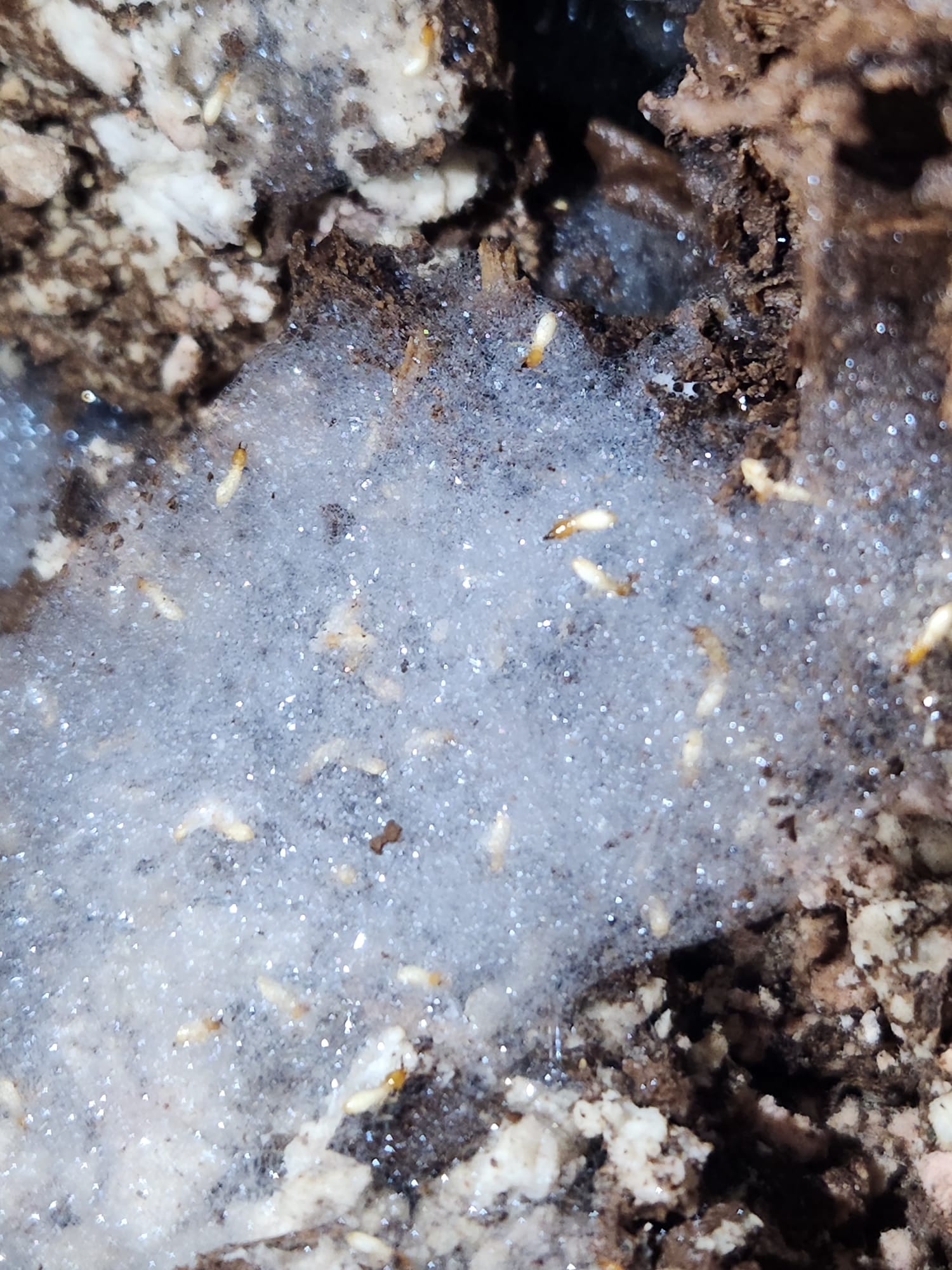
Expanding foam injected into wall voids, ceiling voids and hidden nesting areas where conventional spraying cannot reach.
Why it helps: Fills cavities for precise, long-residual contact with concealed termite activity.
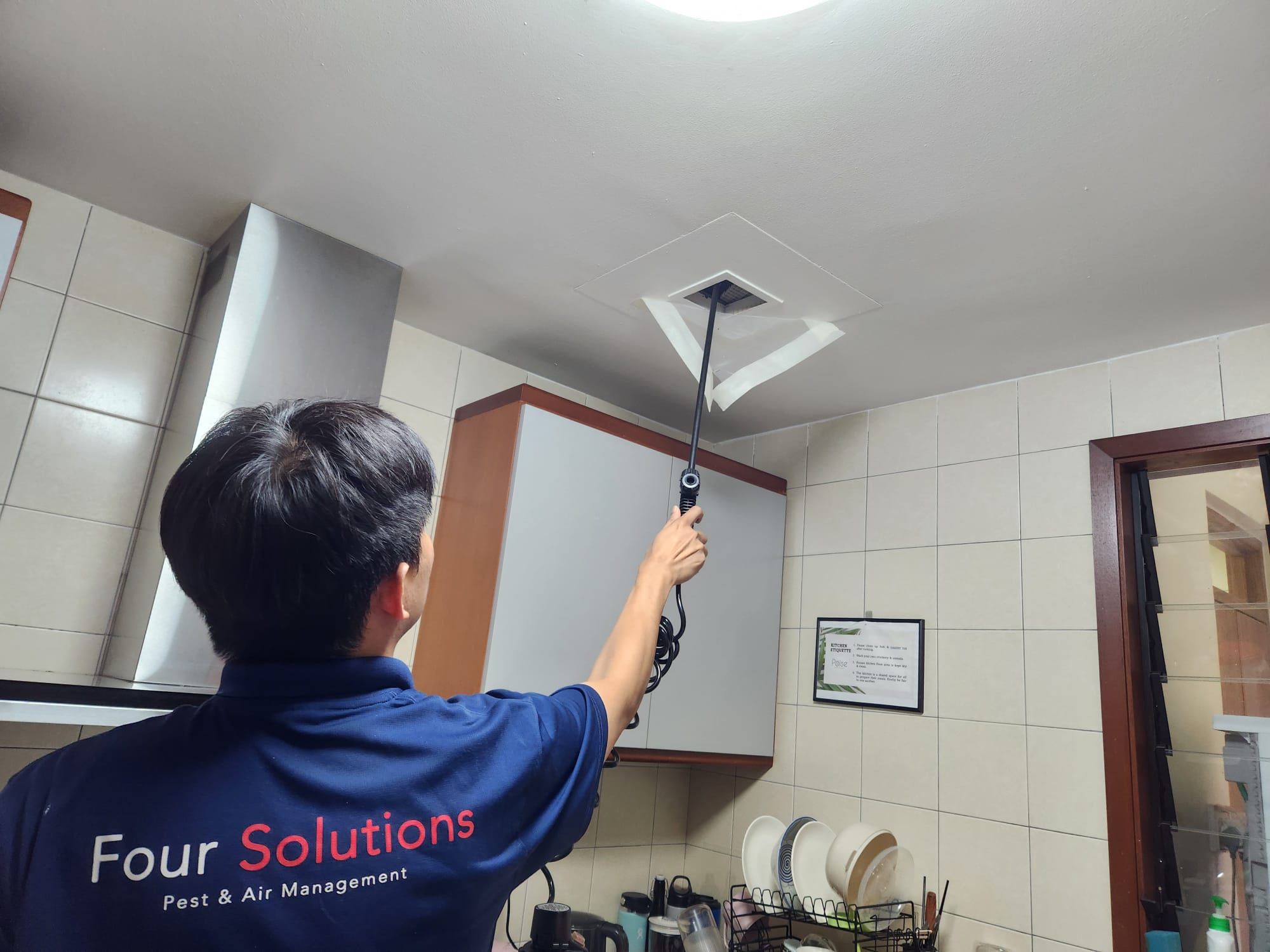
Residual protection applied to suitable treatment zones as part of an integrated termite plan.
Why it helps: Supports protection of appropriate treated surfaces and entry points after the active source is identified.
Colony-focused baiting system for active colonies, ground-entry risk and recurring termite activity.
Why it is more extensive: Targets the colony rather than only the termites visible at one point, with monitoring for the confirmed termite risk.
Careful planning, clean work and clear communication from the first WhatsApp message to the final check.
Registered with the National Environment Agency, Reg. NEA201812722M, so every treatment is done to licensed standards.
A decade protecting homes and commercial buildings from termites and other pests across the island.
4.9 from 100+ Google reviews, with treatment selected for the termite type and the affected area.
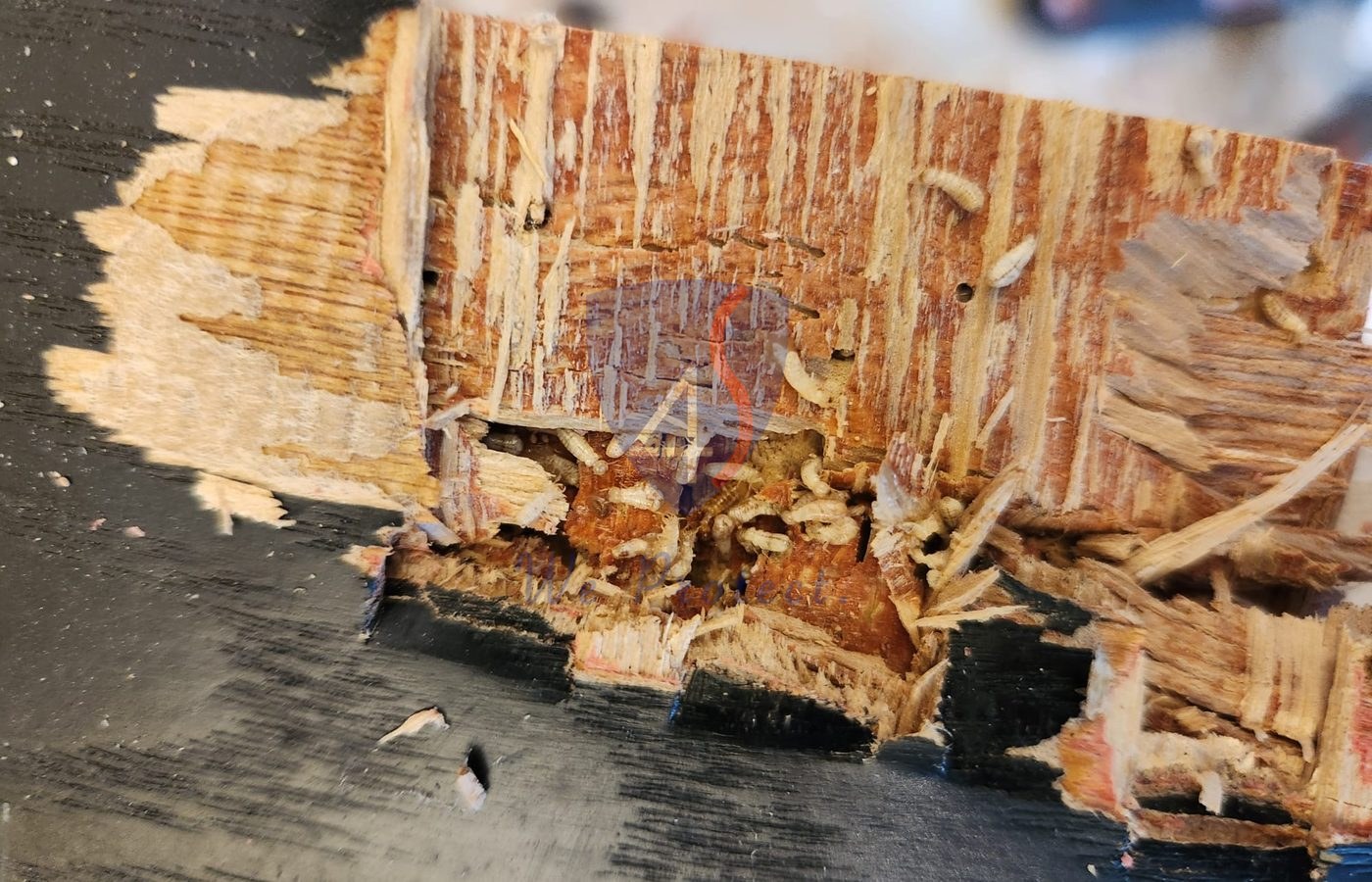
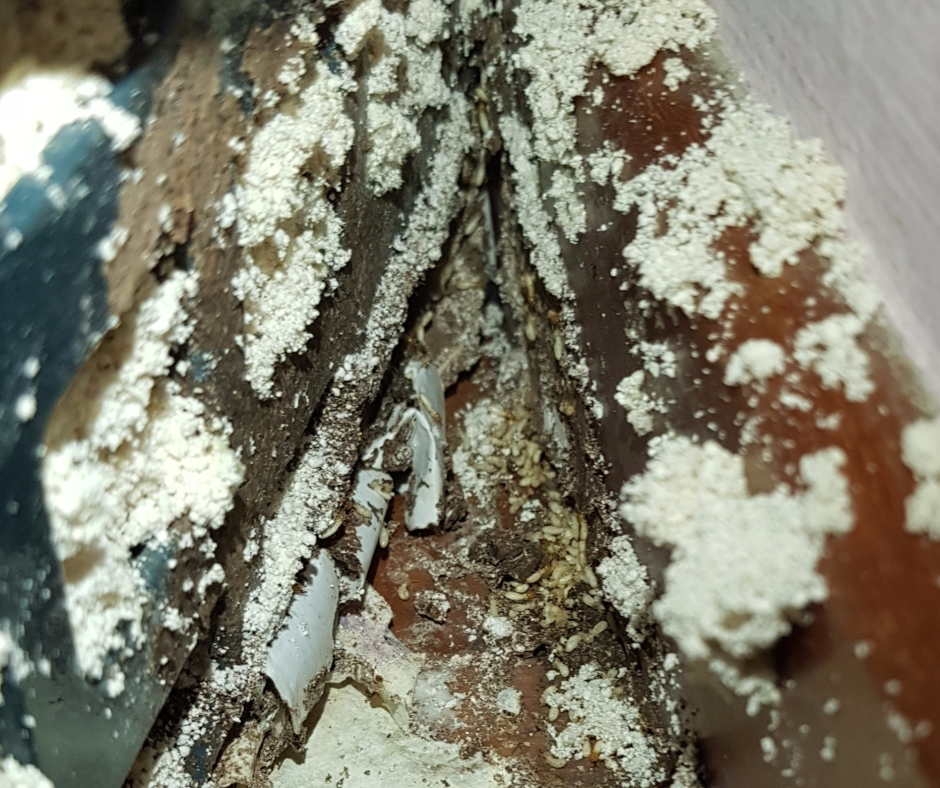
These Four Solutions site photos show insects, damaged timber and a localised foam application. An inspection must establish whether activity is current, how far it extends and which treatment fits the property.
Ground entry routes and feeding activity help determine whether baiting, a soil barrier or a combination of measures is appropriate. Access and follow-up affect the scope.
Drywood termites live within timber. Localised treatment may suit contained activity; wider or inaccessible damage needs a broader assessment. A ground barrier alone does not treat termites already inside dry timber.
Ask which areas are included, whether drilling or access work is needed, how progress is checked and what any warranty covers. See our termite treatment cost guide before booking.
Identification references: UC IPM drywood termite signs and wood-boring beetles and powder. These explain identification clues; treatment must be assessed for your property.
Four Solutions provides professional termite treatment, termite control and termite removal for HDB flats, condos, landed homes, offices and commercial buildings across Singapore. We inspect to distinguish subterranean from drywood activity and recommend treatment for the findings. The written scope sets out the method, monitoring and any applicable warranty.
Planning new carpentry or opening up an existing room? Use the before-and-after renovation pest checklist to coordinate inspection access and any findings before surfaces are concealed.
If you have not seen termites but are renovating, adding built in carpentry, or termites were found nearby, ask for an inspection first. Four Solutions recommends prevention and monitoring for the assessed property. Where ground entry is the risk, a soil barrier manages entry from the ground, and the inspection decides whether treatment is needed now or monitoring is enough.
Reducing moisture and wood to soil contact, and fixing leaks, also lowers the risk. If you live in a flat, see termites in an HDB home.
Leave mud tubes, frass and damaged timber as they are. Do not spray, scrape or break open tubes before the inspection.
Photograph the insects or wings, mud tubes, frass and damaged timber with a coin or ruler for scale. Note where and when you saw activity and whether it is inside your unit or in a shared structure.
Which termites were found, where the activity is and how far it appears to extend, whether the activity is current, and any areas that could not be inspected.
Clear access to skirting, door frames and built in cabinets before the visit. Treatment and timber repair are separate scopes, so ask whether repairing damaged timber is included or needs a separate contractor. See what a termite quote should state and termites in an HDB home.
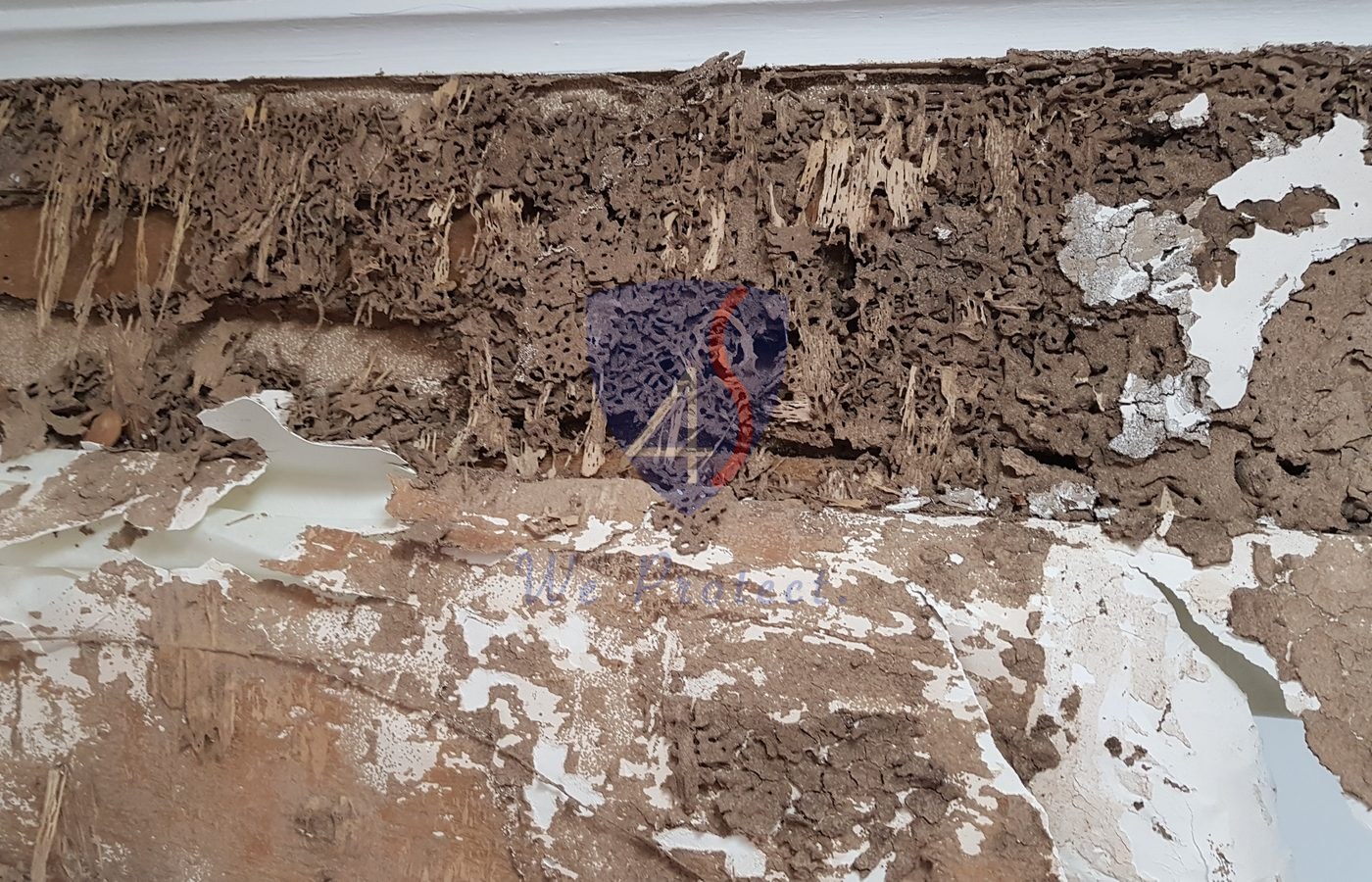
Possible signs include mud tubes, damaged or hollow-sounding timber, discarded wings and small hard pellets near wood. These clues need identification: wings, powder or damaged timber alone do not confirm termites or the extent of an infestation.
We inspect the activity, termite type, timber and entry routes. Depending on the findings, options include localised treatment, baiting or a soil barrier. These methods serve different purposes; the quote explains the treatment area, expected control, follow-up and any warranty.
Subterranean termites nest in the soil and enter through the ground, building mud tubes, while drywood termites live inside the timber itself. We identify which you have and treat accordingly.
Yes, HDB flats, condos and landed homes as well as offices, warehouses and other commercial buildings across Singapore.
Termite treatment is quoted after an inspection, as it depends on the type of termite, the extent of activity and the size of the property. We provide a clear quote before starting.
Eligible termite treatments include warranty and monitoring cover. Ask for the duration, covered areas, follow-up visits, exclusions and action if activity returns in the written quotation. Coverage depends on the inspected scope and selected treatment.
Reduce moisture and wood-to-soil contact, fix leaks, and act on the first signs. We also advise on protection and monitoring after treatment.
For confirmed contained activity we may use foam injection, spot treatment or direct localised control. For colony, ground-entry or repeat-risk cases, we use baiting, soil-barrier or broader colony-control plans with monitoring.
Colony control is recommended when termites are entering from the ground, spreading across multiple points, affecting a landed property or returning after prior treatment. The inspection determines whether baiting, a soil barrier or another broader method is appropriate.
Localised treatment can suit contained activity, but colony control is stronger when termites are entering from the ground, spreading across multiple points or coming back after previous treatment.
Photograph the insects, discarded wings or timber damage and note the location and time. Avoid disturbing suspected termite galleries before an assessment. Flying ants and termites can be confused, so identification comes before choosing a treatment. Shared-area activity may also need the building manager or town council.
Not necessarily. Drywood termites can leave small hard pellets; fine flour-like powder can also come from wood-boring beetles. Debris alone cannot confirm the pest or whether activity is current. Send clear photos of the material, nearby holes and affected timber so the team can advise on an inspection.
Termites do appear in HDB flats, often entering through the ground floor, service ducts or shared structures, then moving into skirting, door frames and timber furniture. Whether an item is saved depends on how far the damage has gone, which is why early inspection matters. We identify the type and treat at the source.
Fast response for termite treatment in HDB flats, condos, landed homes and commercial premises.
Hougang, Sengkang, Punggol, Serangoon, Yishun, Woodlands and Sembawang.
Tampines, Bedok, Pasir Ris, Paya Lebar, Marine Parade, Changi and nearby estates.
Toa Payoh, Bishan, Novena, Orchard, Jurong, Clementi, Bukit Batok and Choa Chu Kang.
Choose the service path that fits the property. We assess the pest, affected area and recurrence risk before recommending treatment.
Practical treatment for HDB flats, condos and landed homes, including common household pests and moisture-linked issues.
Explore home pest control For businessesPlanned service for offices, F&B, retail, schools, warehouses and facilities, with documentation where needed.
Explore commercial pest controlSend a quick message or a photo of the problem and we will come back with a clear quote and the fastest available slot. Homes, vehicles and businesses across Singapore. Assemble a quote brief to organise the details before you message.
We select the treatment after assessing the pest, life stage, harbourage, entry points and site conditions. Not every method is suitable for every job.